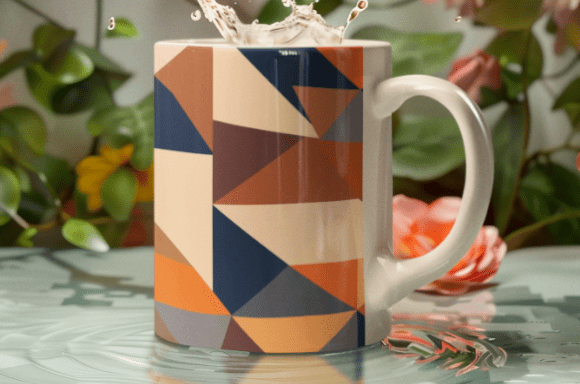
Abstract Geometric Pattern Collection: A Modern Design Essential
Abstract geometric pattern collections have become a staple in contemporary design, offering a versatile and visually striking approach to visual communication. These patterns combine dynamic shapes, clean lines, and balanced compositions to create artwork that is both modern and timeless. Whether you're working on a branding project, interior décor, or digital media, an abstract geometric pattern collection can elevate your creative output with its cohesive style and adaptability.
What Makes Abstract Geometric Patterns Unique?
At the heart of an abstract geometric pattern collection lies the interplay between form and color. Unlike traditional patterns that often rely on repetition of motifs, these designs focus on the relationships between shapes—triangles, circles, squares, and more—to create a sense of movement and balance. The use of contemporary color arrangements ensures that each piece feels fresh and relevant, while maintaining a unified aesthetic across the entire collection.
The dynamic nature of these patterns allows for endless variations in layout. Some designs may emphasize symmetry, while others lean into asymmetry for a more modern, edgy feel. This flexibility makes them ideal for a wide range of applications, from wallpapers and textiles to packaging and digital backgrounds.
Applications Across Industries
One of the most appealing aspects of an abstract geometric pattern collection is its broad applicability. In the world of surface pattern design, these patterns provide a strong foundation for everything from stationery to home goods. Their clean lines and structured compositions make them particularly well-suited for textile design, where they can be used to create everything from upholstery fabrics to fashion prints.
In the realm of digital design, these patterns are invaluable for creating visually engaging websites, mobile apps, and social media content. Their ability to add depth and interest without overwhelming the viewer makes them a go-to choice for designers looking to enhance user experience while maintaining a modern look.
For branding and packaging, an abstract geometric pattern collection offers a way to stand out in a crowded market. By using bold, structured visuals, brands can communicate a sense of innovation and sophistication. These patterns can be applied to product labels, promotional materials, and even store displays, helping to reinforce brand identity through consistent visual language.
Why Choose a Modern Abstract Geometric Pattern Collection?
When selecting a pattern collection, it's important to consider not just aesthetics but also functionality. A modern abstract geometric pattern collection is designed with practicality in mind, ensuring that each design can be easily adapted to different formats and scales. This means that whether you're working on a large-scale mural or a small icon, the integrity of the design remains intact.
Another key benefit is the versatility of these patterns. They can be used as standalone elements or combined with other design components to create layered, complex visuals. This makes them especially useful for projects that require a cohesive visual theme across multiple platforms, such as marketing campaigns or corporate interiors.
Moreover, the clean, structured nature of these patterns makes them highly accessible. They work well in both minimalist and maximalist design schemes, allowing for easy integration into existing styles. This adaptability is a major advantage for designers who need to meet the needs of diverse clients or projects.
Designing with Abstract Geometric Patterns
When incorporating an abstract geometric pattern collection into your workflow, it's helpful to think about how the patterns will interact with other design elements. For instance, if you're using a pattern as a background, it's important to ensure that it doesn't compete with text or other focal points. In such cases, opting for a more subdued version of the pattern or adjusting its opacity can help maintain visual hierarchy.
On the flip side, when using the pattern as a central element, you can experiment with layering, contrast, and negative space to create a more dynamic composition. This might involve pairing the pattern with solid colors, typography, or other graphic elements to achieve a balanced and engaging design.
It's also worth considering the emotional impact of the patterns. Certain shapes and color combinations can evoke specific moods or associations. For example, sharp angles and high-contrast colors may convey energy and modernity, while softer curves and muted tones can suggest calm and elegance. Understanding these nuances can help you choose the right patterns for your intended message or audience.
Choosing the Right Abstract Geometric Pattern Collection
Not all abstract geometric pattern collections are created equal. When selecting one, it's important to look for a variety of layouts, color schemes, and structural approaches. A good collection should offer enough diversity to keep your designs fresh while maintaining a consistent style that aligns with your project goals.
Consider the resolution and file format of the patterns as well. High-resolution files in vector or raster formats will ensure that your designs look crisp and professional, regardless of the scale at which they're used. Additionally, checking for licensing terms is essential, especially if you plan to use the patterns commercially.
Finally, don't hesitate to explore different sources for abstract geometric pattern collections. Many designers and studios offer free or paid resources that can be tailored to specific needs. By taking the time to evaluate options, you can find a collection that not only meets your technical requirements but also inspires your creative process.